Invention education
Invention Education
Understand the approach behind learning through real problems: listening closely, questioning assumptions and developing ideas through designing, making and trying again.
Explore Invention Education
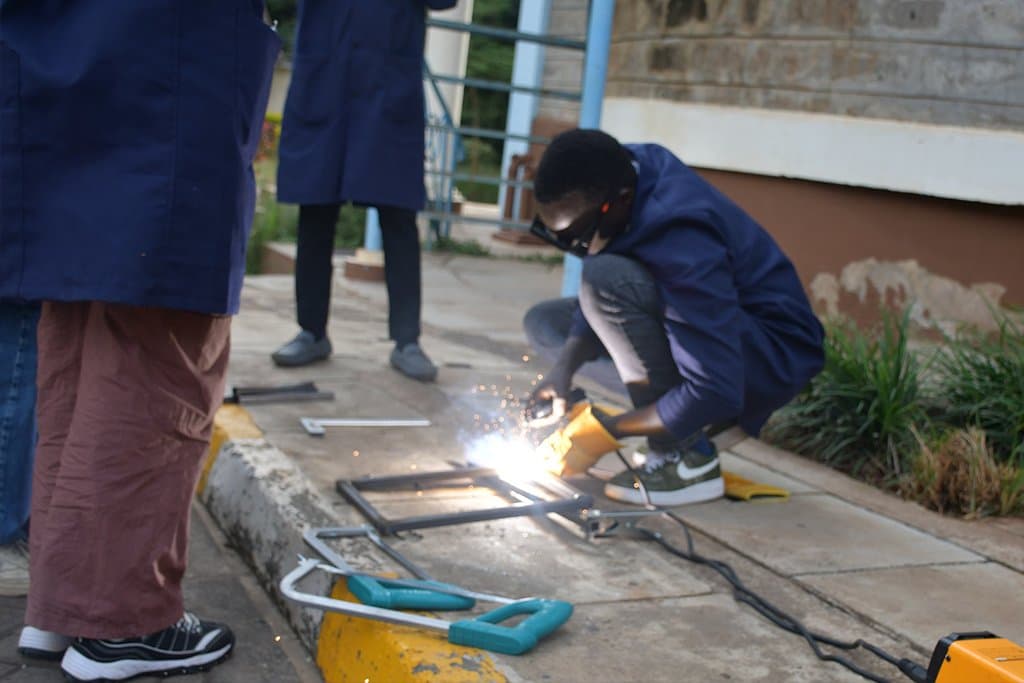
How learning works
Understand the need, then build something you can test.
Four stages, in order. Each one is a habit you practise rather than a box you tick.
01 / 04
Understand the need.
Explore the experiences of users and the setting in which a solution must work.
- 02Develop a direction.
- 03Build and learn.
- 04Explain your thinking.
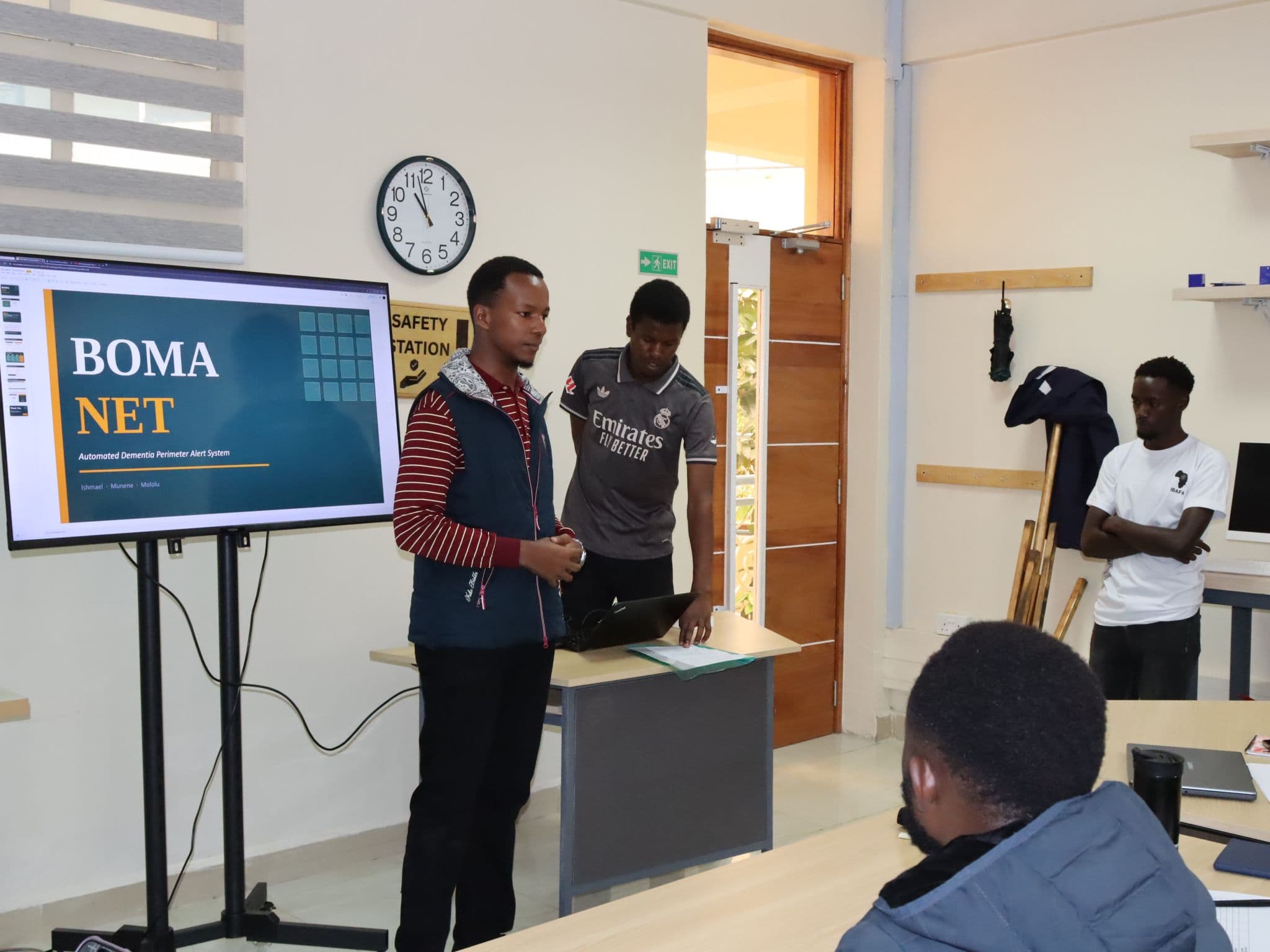
Opportunities
Find the one that fits where you are.
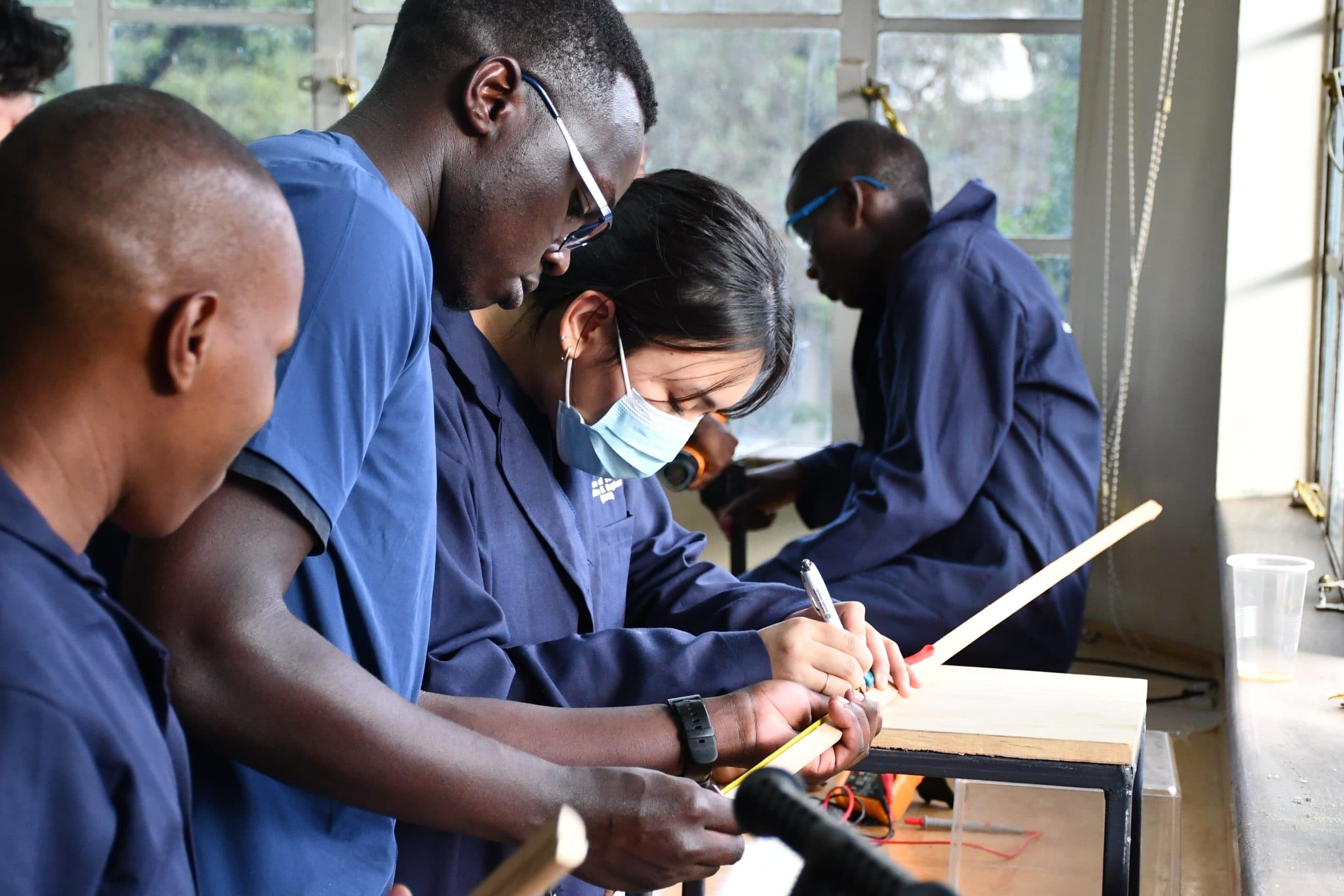
Learning model
Invention Education
Understand the approach behind learning through real problems: listening closely, questioning assumptions and developing ideas through designing, making and trying again.
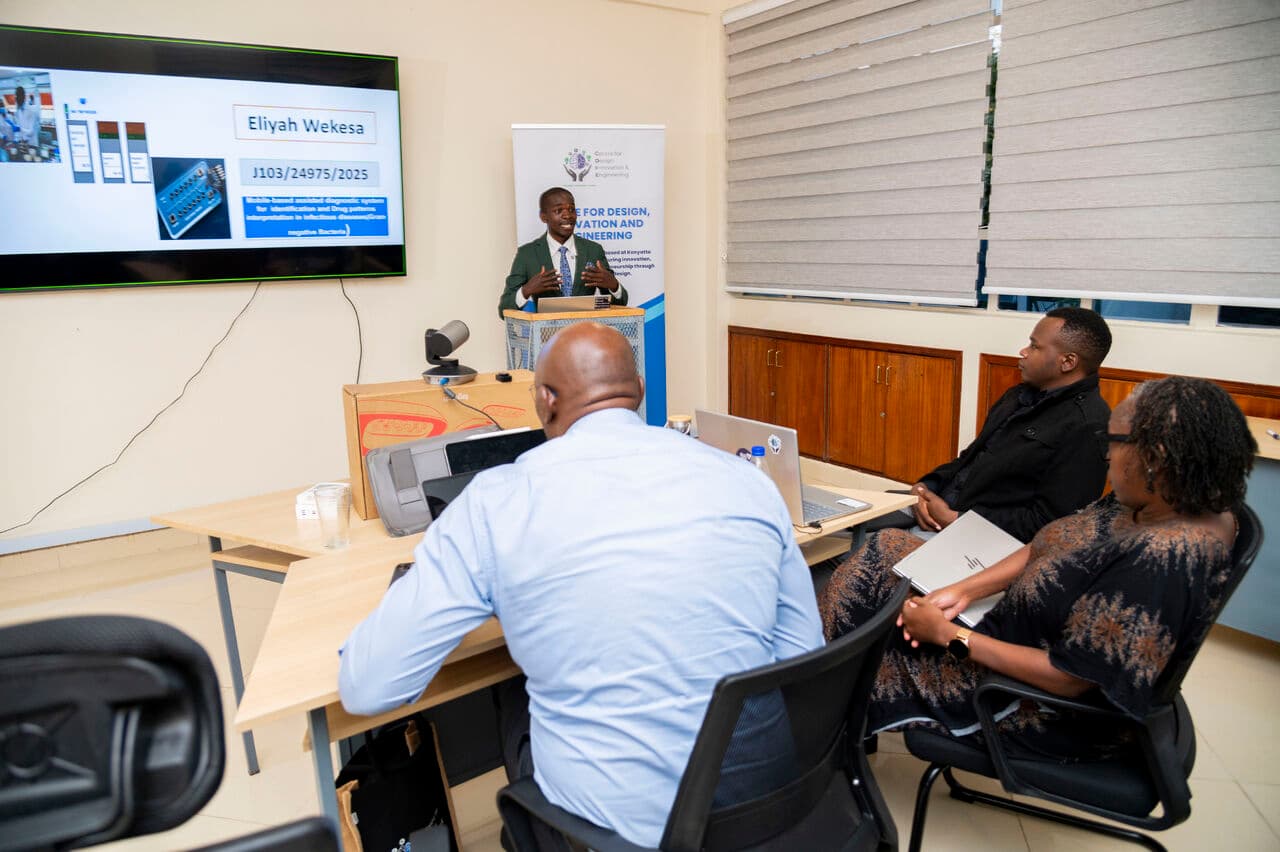
M.Sc. pathway
Medical Device Innovation
The graduate track: engineering, clinical needs-finding and the wider decisions involved in developing a medical device.
Challenge
Design Challenges
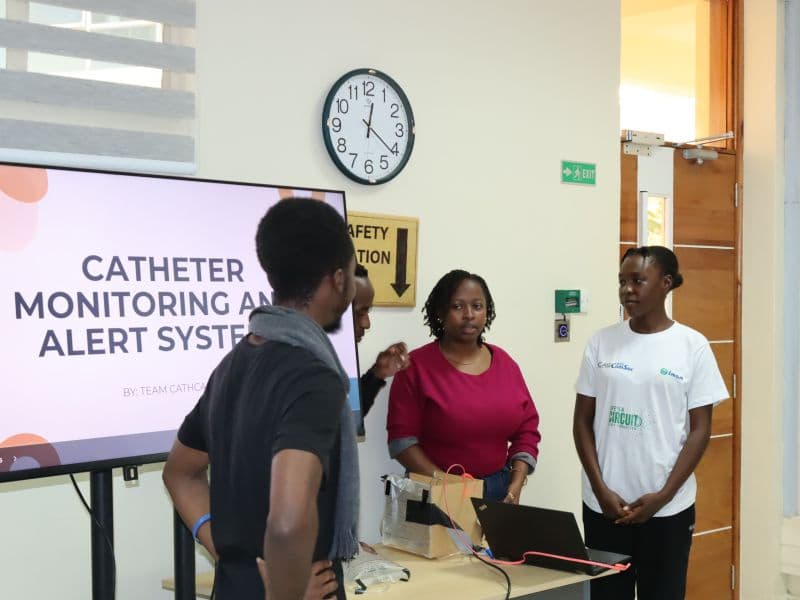
A real challenge. A chance to make something useful. Work with others to explore a practical response to a defined problem.
Funding
Catalyst grants
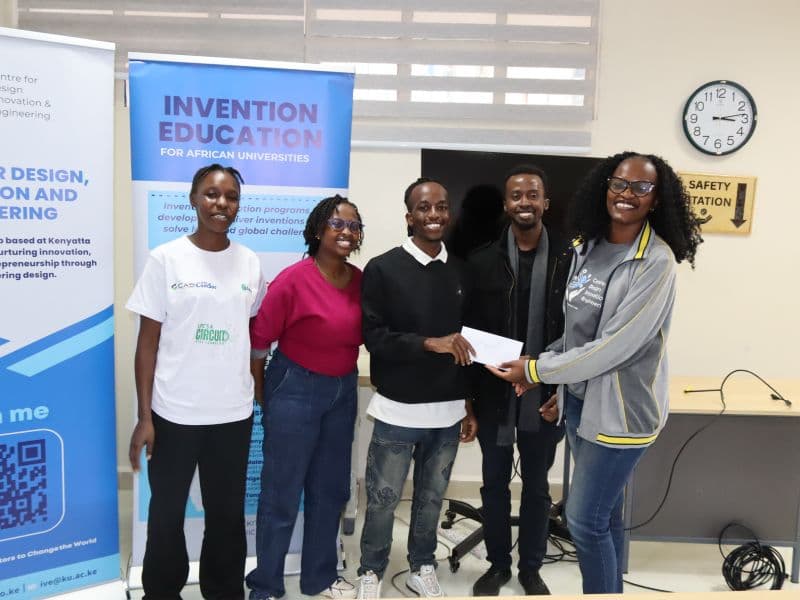
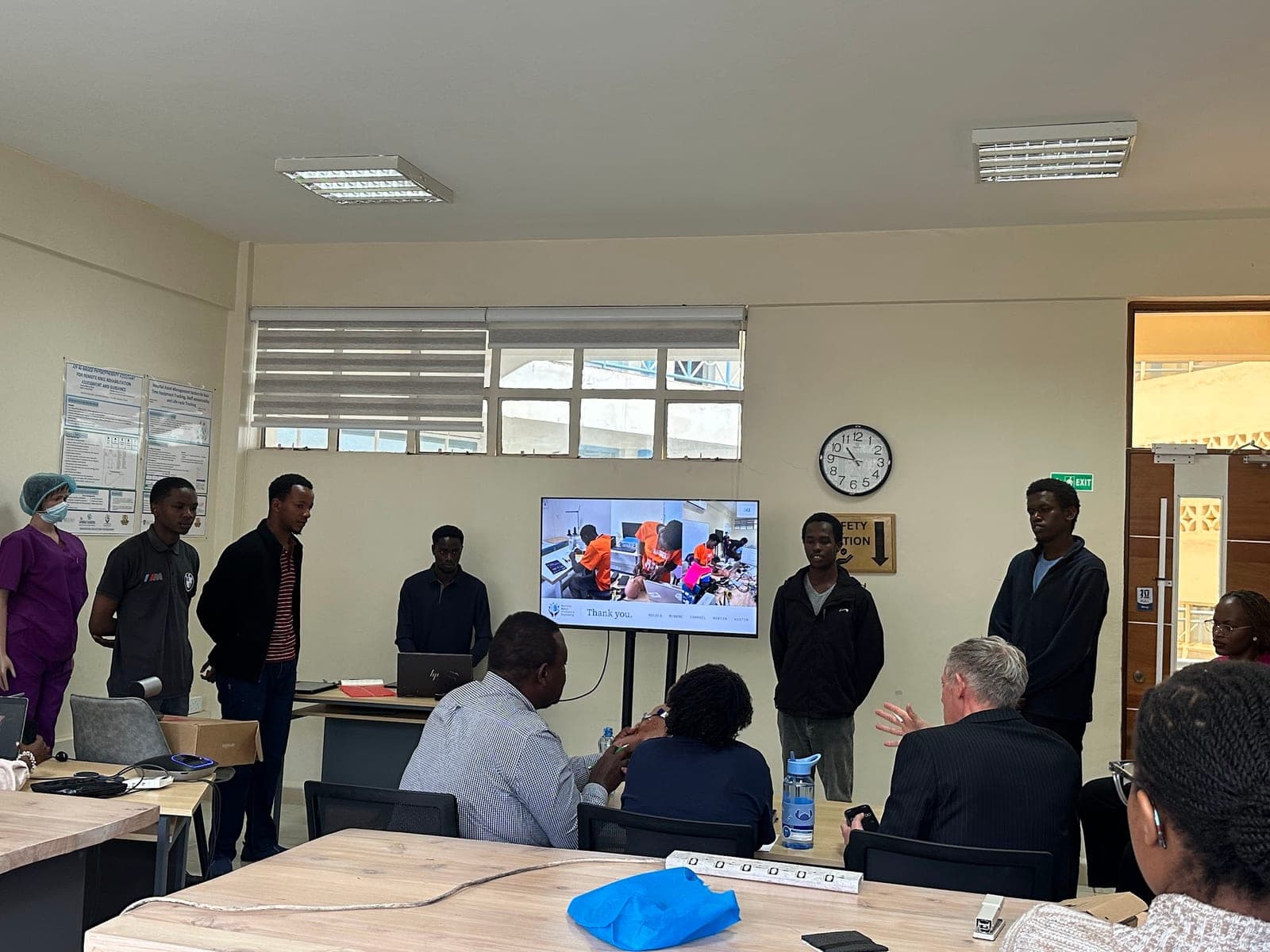
Give an early idea room to develop. Catalyst grants support early prototyping through the Invention Education programme.
Short course
Summer Programme
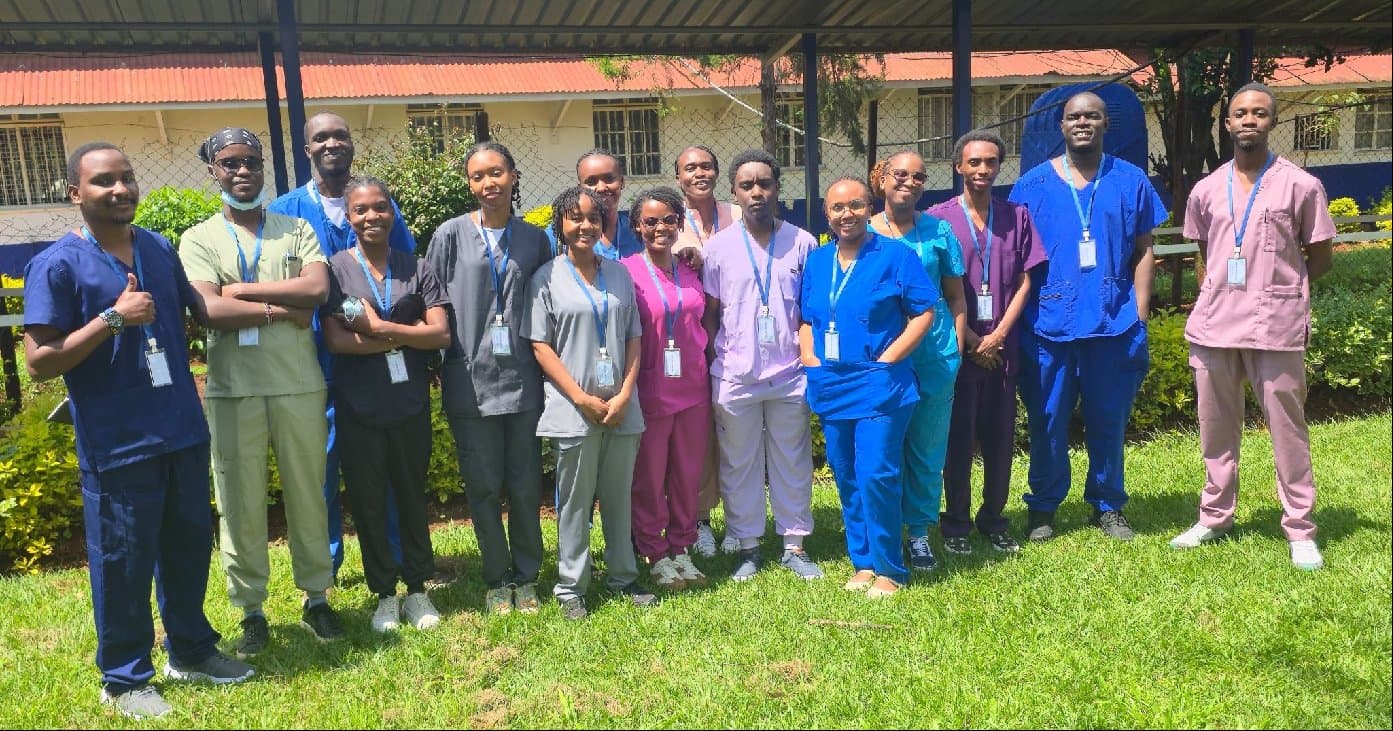
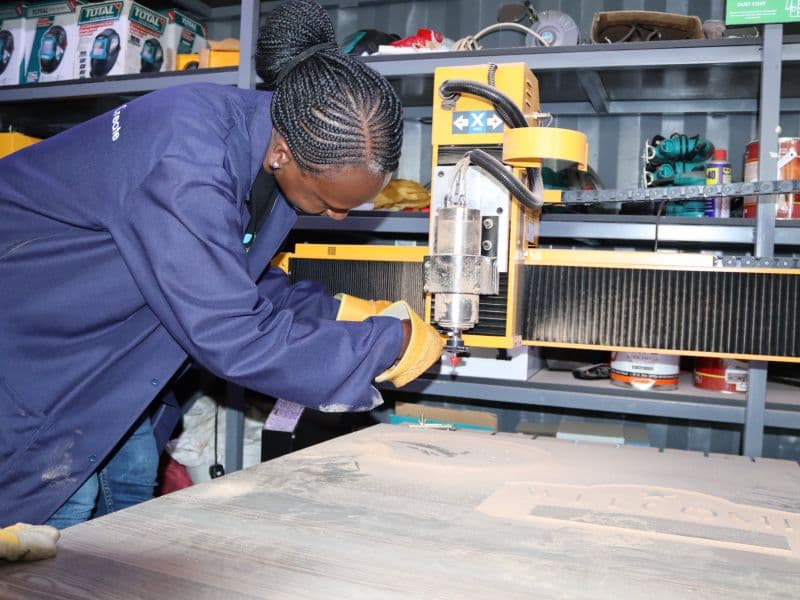
A residential run through the Invention Education cycle: clinical immersion, needs filtering, workshop classes and a final presentation of what was built.
Short format
Masterclasses and training
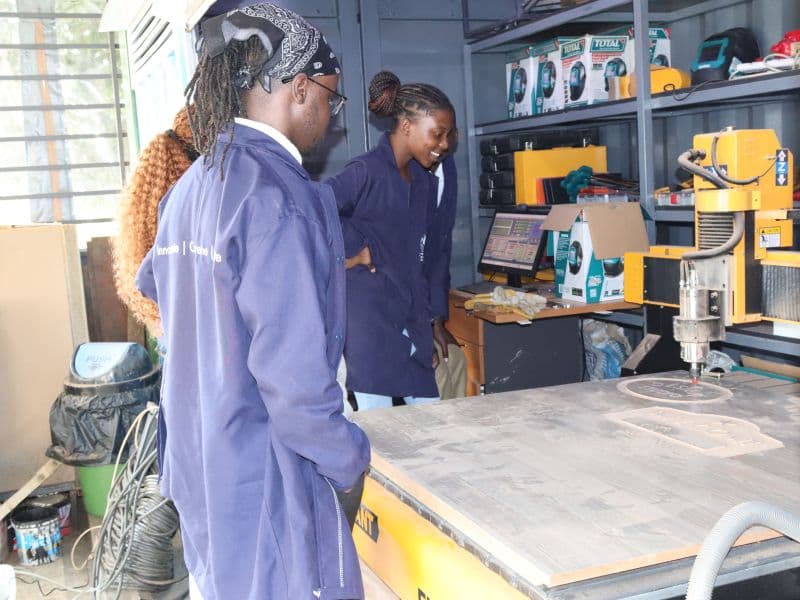
Make time to learn a practical skill. Focused sessions in design, making and medical device innovation.
Events
Meet, learn and exchange ideas.
Find conversations, workshops and programme activities that bring students, educators and industry together.
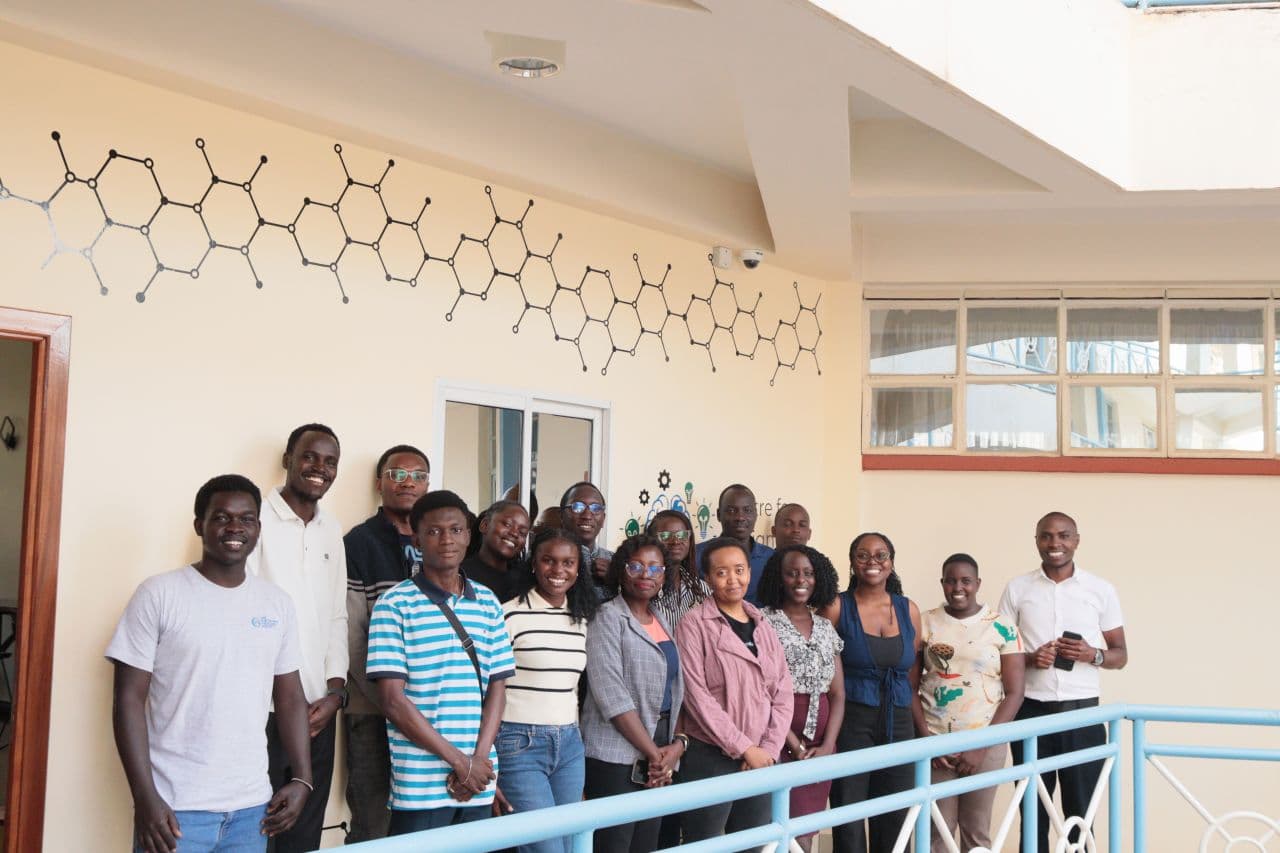
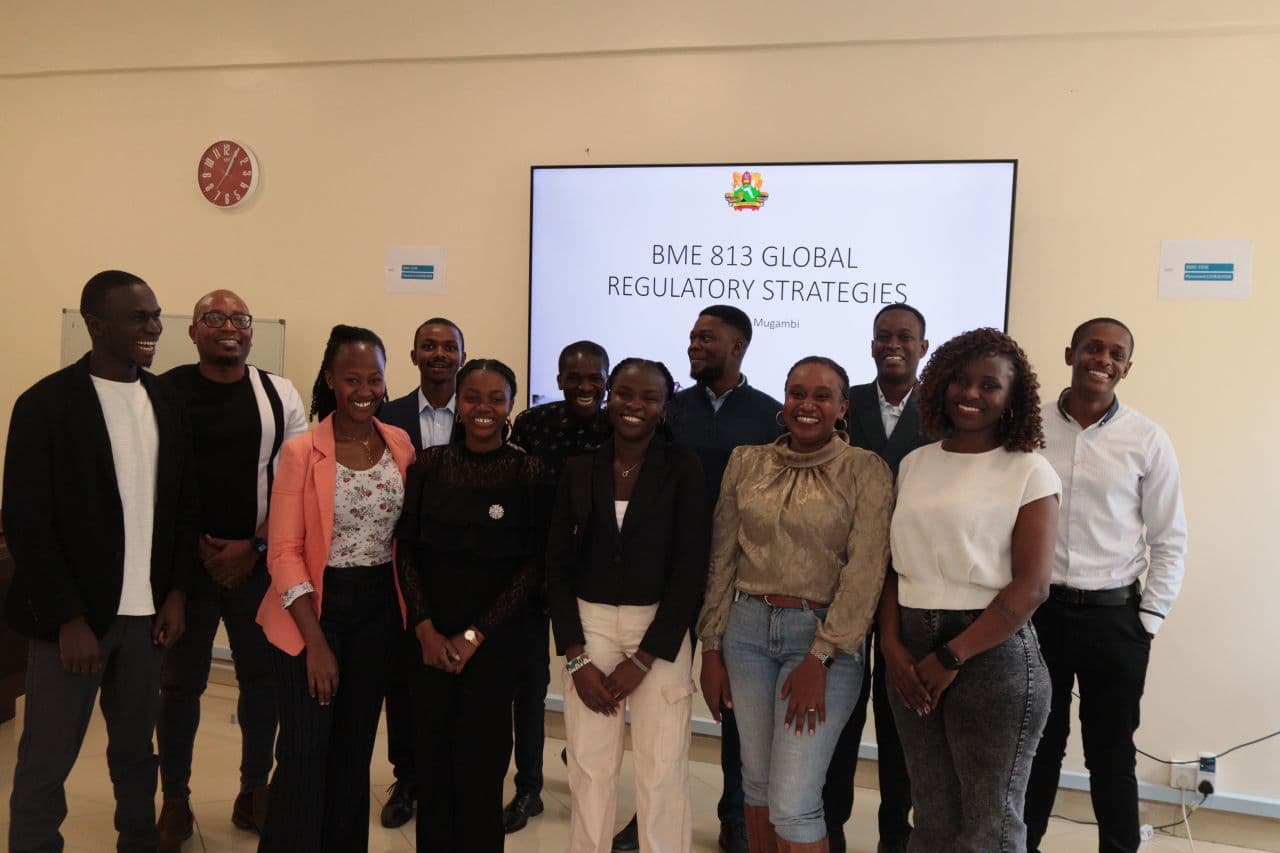
MDI Cohort 2 Orientation
Orientation
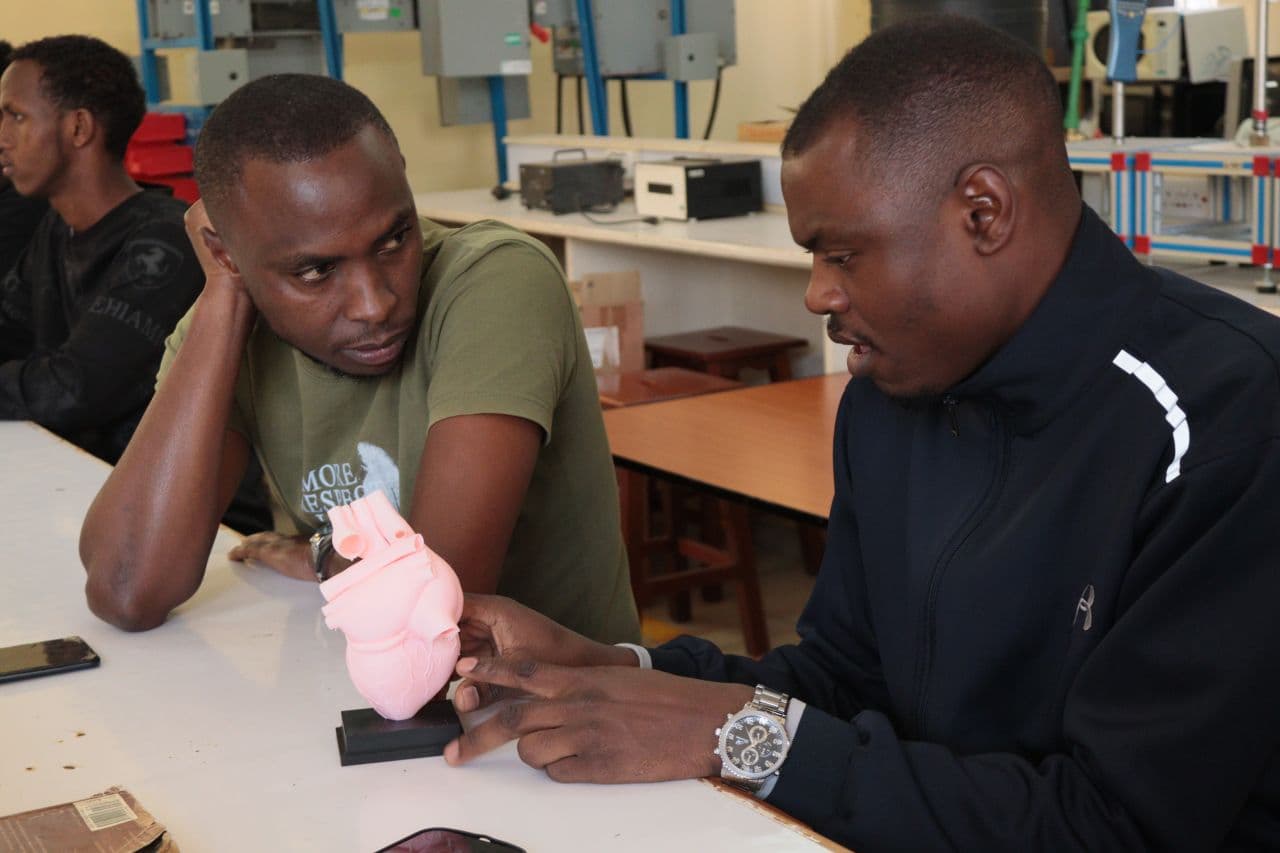
EEE First-Years Orientation & Open Day
Orientation
FAQs
When can I apply?
The next application window has not been announced yet. Email ive@ku.ac.ke to be told when applications open, or register your interest so the team can contact you.
What does it cost, and is funding available?
Tuition and scholarship details are being confirmed. Email ive@ku.ac.ke for current guidance on fees and any funding routes.
Does CDIE offer grants or funding to innovators?
Yes. Through the Invention Education programme, CDIE runs catalytic grants that innovators can apply for to support early prototyping. There are several funding cycles each year. Sign up for the newsletter so you hear when a call opens.
What is the Design Challenge, and can I take part?
The Design Challenge is a short, hands-on challenge where teams respond to a defined healthcare problem, build a prototype and present their thinking. Recent teams designed assistive devices to support caregivers. The brief, entry rules and next date are announced when a new round opens. Ask the team to be notified.
Do you run short courses or masterclasses?
Yes. CDIE runs focused sessions in design, making and medical device innovation alongside the master’s programme. Upcoming sessions, prerequisites and sign-up details are published when scheduled. Contact the team to ask what is planned.